
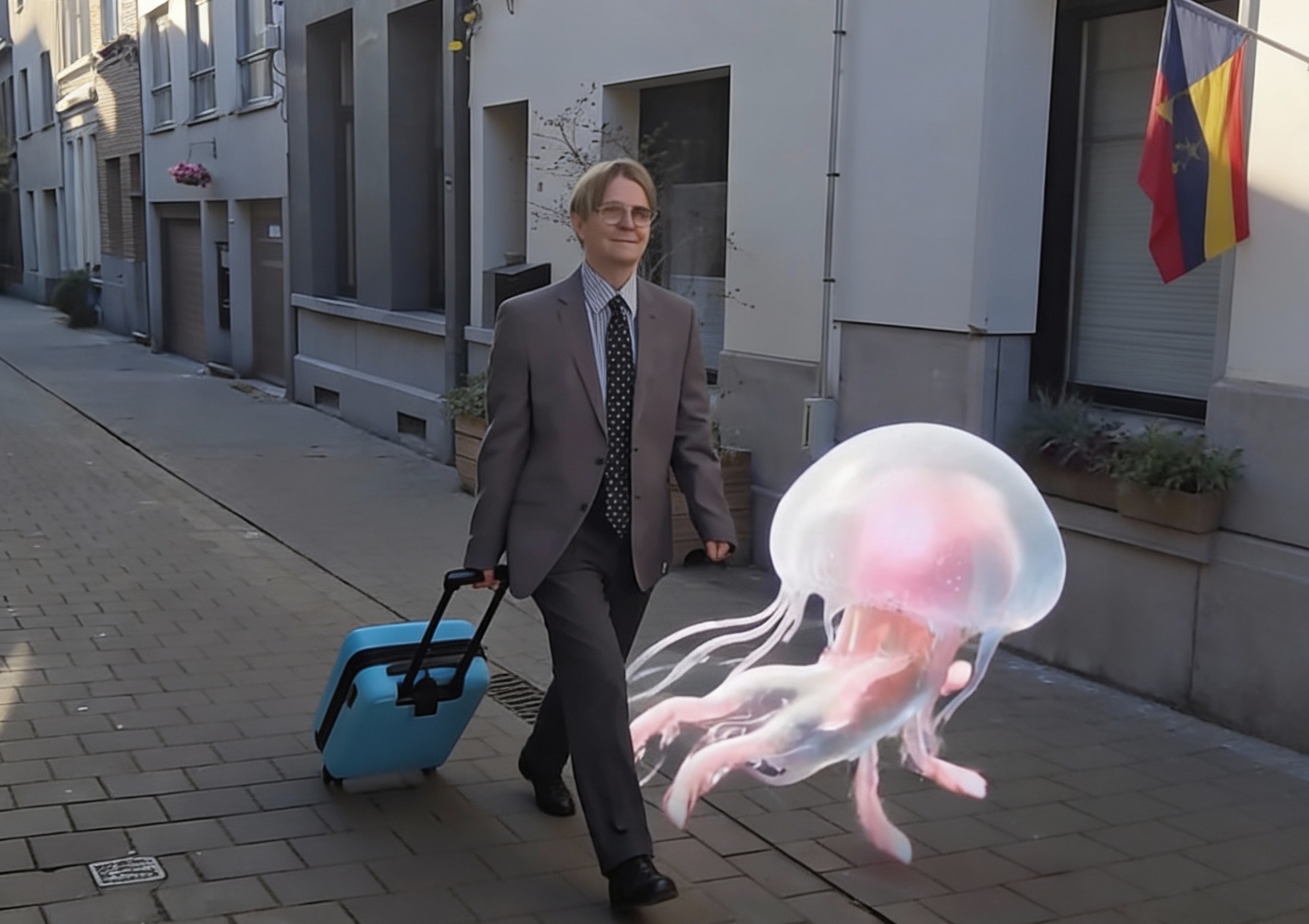
A 3-channel video installation featuring my drag persona ‘Dr. Jacobs,’ a professor approaching retirement.
Dr. Jacobs is reaching the end of his career and joins Afterglow, a corporate AI program that allows him to make an attractive and younger AI clone of himself. As Dr. Jacobs sets out to make the clone, a mishap occurs in the lab and the cloned humanoid disappears. We follow Dr. Jacobs on a voyage to find his double, who is said to live in closeby waters.
I have taken inspiration from ancient East-Asian and old European myths about human-animal hybrids who rule the waters, such as the Greek Nereids, ‘The Wet Ones,’ tiny nymphs who purify waters and travel in packs. The artwork also comments on our painfully transforming bodies exploring AI and preserving art forms. The artwork references Mary Shelley’s Frankenstein, a novel in in which a pessimistic scientist looks for his creation, who escaped from the lab and roams around in the Alpine mountain regions.
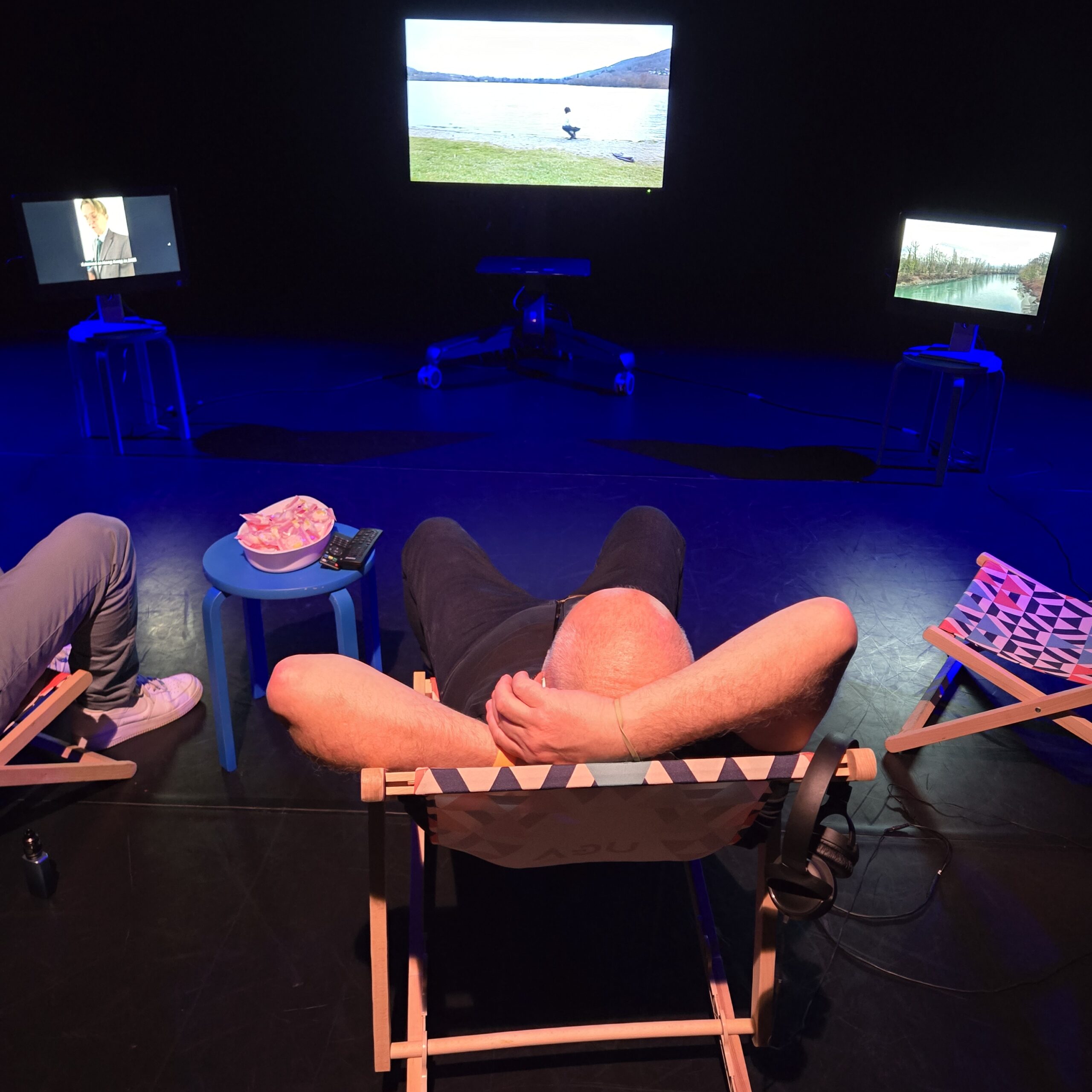
The video installation previewed on May 20, 2026 at the Live Arts Lab in the MaCI at University of Grenoble Alpes.
Documentation of the MaCI screening
+++Installation set up
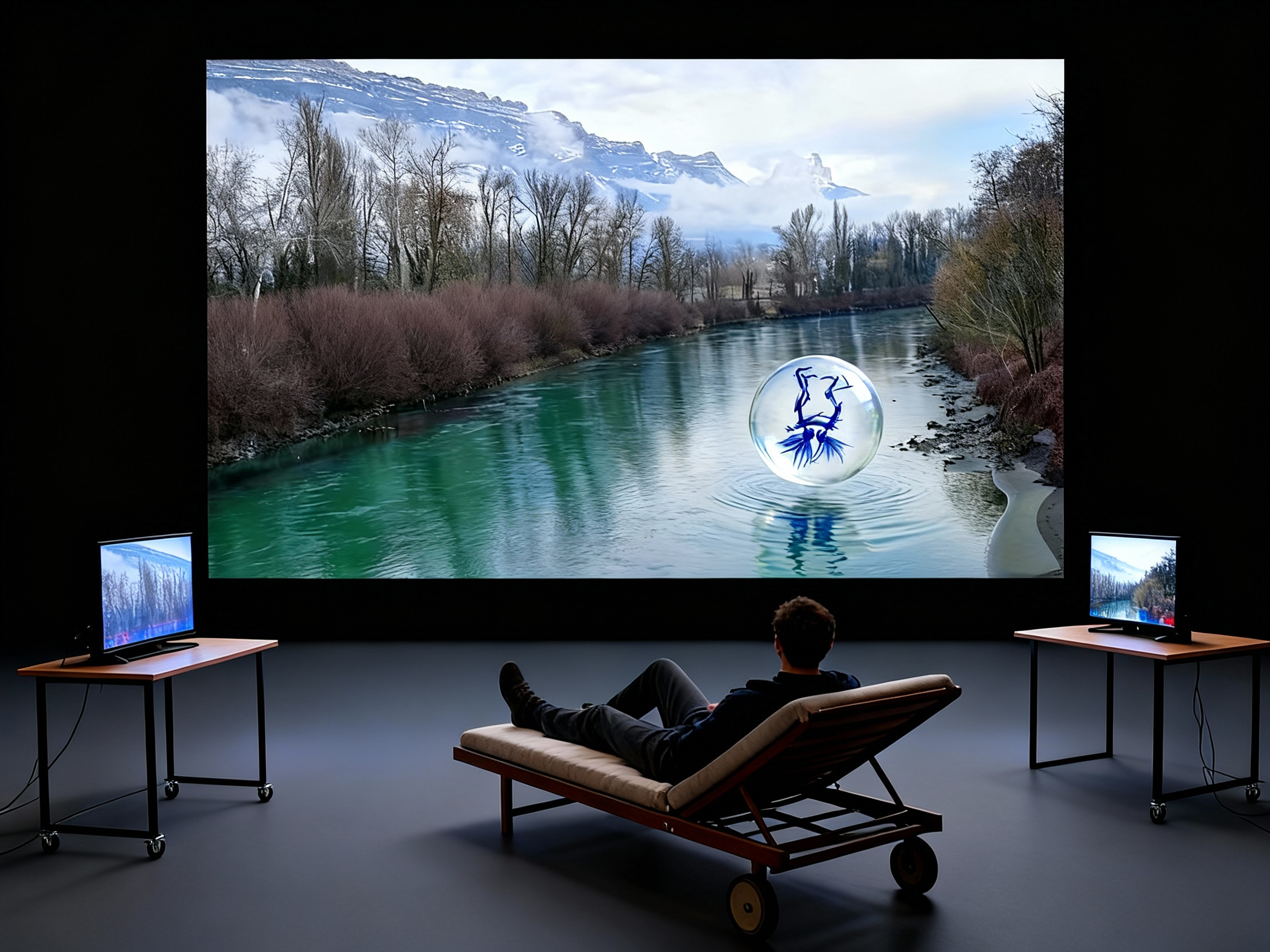
The story unfolds over 3 screens, but these can be accessed in any different order. While most visitors may opt for a restful, immersive experience on the chaise lounge, others can look at the two 2 smaller screens (and listen to narration through headphones).
Screen 1 (SMALL Left) 7 min loop. Dr. Jacobs brings testimony about the Afterglow programme. This programme recruits ageing professors of excellence to retire while extracting and synthesizing all their knowledge, life works and cognitive functions into full-body robotic humanoid scholars.
https://vimeo.com/manage/videos/1182156114
Screen 2 (SMALL Right) 7 min loop. Told by a different narrator from screen 1. Dr. Jacobs is looking for his creation and AI clone who has escaped from the lab, named Jeli Jacobs. Jeli is residing somewhere along the Isère river but Dr. Jacobs does not have the cognitive functions to communicate with him.
https://vimeo.com/manage/videos/1182157249
Screen 3 (LARGE Middle) 7 min loop The life of hybrid human-vertebrates who swim and protect rivers and oceans while seeking out each other through erotic gestures. One of them is Jeli, the fugitive AI clone created by Dr. Jacobs. The middle screen is positioned in front of a chaise longue in which visitors can recline and rest to take in a story amongst water scenery.
https://vimeo.com/manage/videos/1195603618
CREDITS: The Wet Ones
Performed, Directed, Filmed and Edited by Katrien Jacobs
Music by Frits Jacobs (Tangie)
Acting and Cinematography: Inès Portier Bourgeat, Andrew Guthrie, Tommy A.Martin, Celian Montalon,
Final Editing: Pierre-O Rivière
Funded by: The Bogliasco Foundation; Gates Fellowship Program at University of Grenoble Alpes; Videotage: Monash University Malaysia
Different AI Programmes and LLMS were used for generating video sequences and images in this project, including ChatGpt, Grok, Stable Diffusion and others available at Openart.ai
+++ Two short videos to explain my AI process:
+++
BACKGROUND (PHASE 1 of the project)
In 2024 I received a Bogliasco Foundation Fellowship to do an artist residency in the coastal town of Bogliasco, Italy. I made a video about Phase 1 of the art project.=
We stayed in the Bogliasco Center’s phenomenal old mansion right next to the Ligurian coast. I made a short video about the research process.
I started to walk along the coast and was able to take many swims there, together with the other visiting artists. I was able to hear and feel the sea’s humidity and incredible roar constantly, while I also staring at many swimmers in the small pebbly beach of Bogliasco. I conceived of the idea to rethink futuristic AI bodies as wet and playful ‘mythical’ water-beings with healing qualities.

The Wet Ones are hybrid creatures inspired by different myths and histories that I keep finding as I develop the project. First of all, there is the Greek mythology of Nereids, as 50 water-nymphs who were seen as ‘escorts’ protected the different qualities of the sea, such as calming the sea, enabling the spawning the fish, creating sea-foam, looking after the sea’s ‘bounty’ by mixing water with brine, enabling a safe voyage for fisher(wo)men, etc. For instance there is the Nereid, Erato, one of the 50 Nereids. Her name means ‘the awakener of desire’ and she is part of a group of 50 who all together protect the ocean.
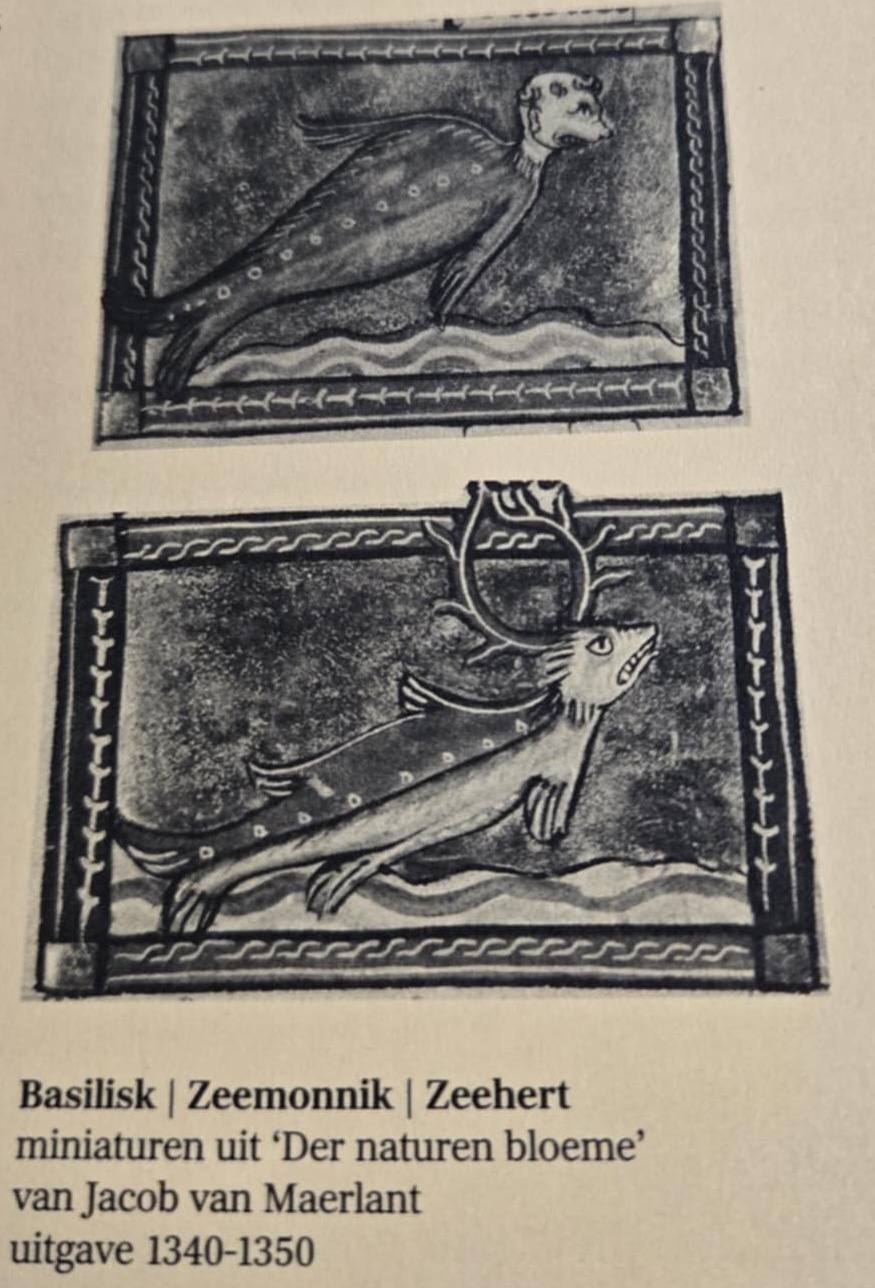
In Belgium, an exhibition and formidable catalogue entitled Hybrids: Composite Creatures from Fables. Myths and Legends (Hopper & Fuchs, 2024) examines the topic of composite human-animal creatures within different cultural histories. In the introductory essay by Leen Huet, we see examples of such creatures in Jacob Van Maerlant’s medieval encyclopedia (1340-1350 of fauna and flora, entitled Der Nature Bloeme. There is an example of a sea-monk, a sea-deer and of course mermaids, who according to Van Maerlant are repulsive and harmful creatures with sharp claws and fish scales. They lure seamen with their beautiful voices and music, then drown them and eat them. Seamen are aware of their presence and cover or put plugs in their ears when they hear them.(p. 17)
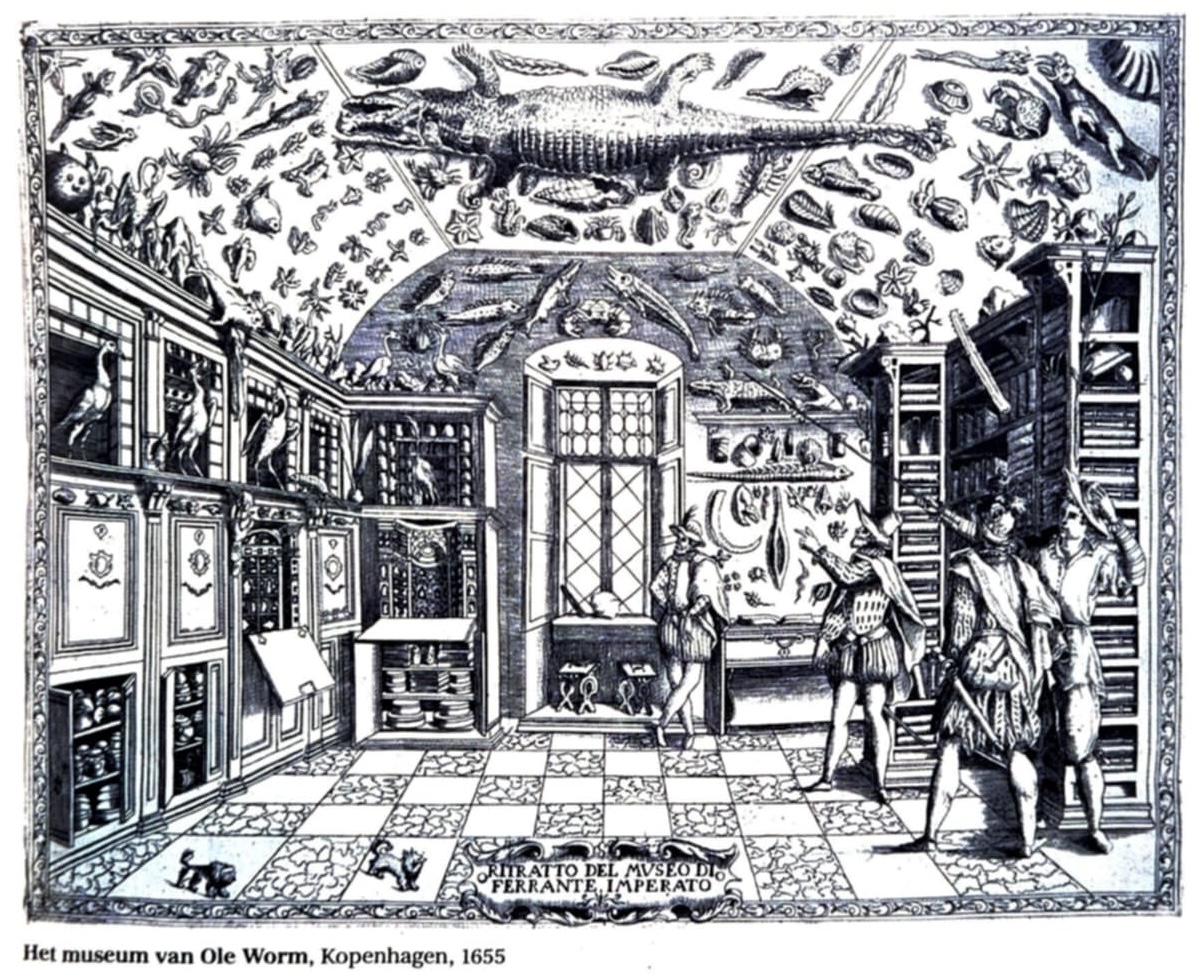
These creatures were also as reproduced as little objects and sold internationally for the Wunderkammer (“Room of Wonders”) where functionaries and entrepreneurs would collect objects and curiosities, including animal-skeletons, fossils, stones, shells, drawings from conquests around the world. The city of Antwerp, Belgium, was an important industrial hub in the 16th century that also supported this trade. For instance, there were little mermaids made by Japanese Fishermen based on their belief in Ningyo “humanfish”and consisting of actual fish skeletons and pieces as well as paper maché. The Antwerp merchant and maker of maps, Abraham Ortelius, also possessed one of these Wunderkammers and below is a 1655 drawing of one in Copenhagen.
My work wants to interrogatre homogenizing AI imaginaries. If one would search online for common imagery or AI generated sea nymphs or mermaids, one would find very clichéd animated drawings of cute curvy girls with big eyes and fish tails.
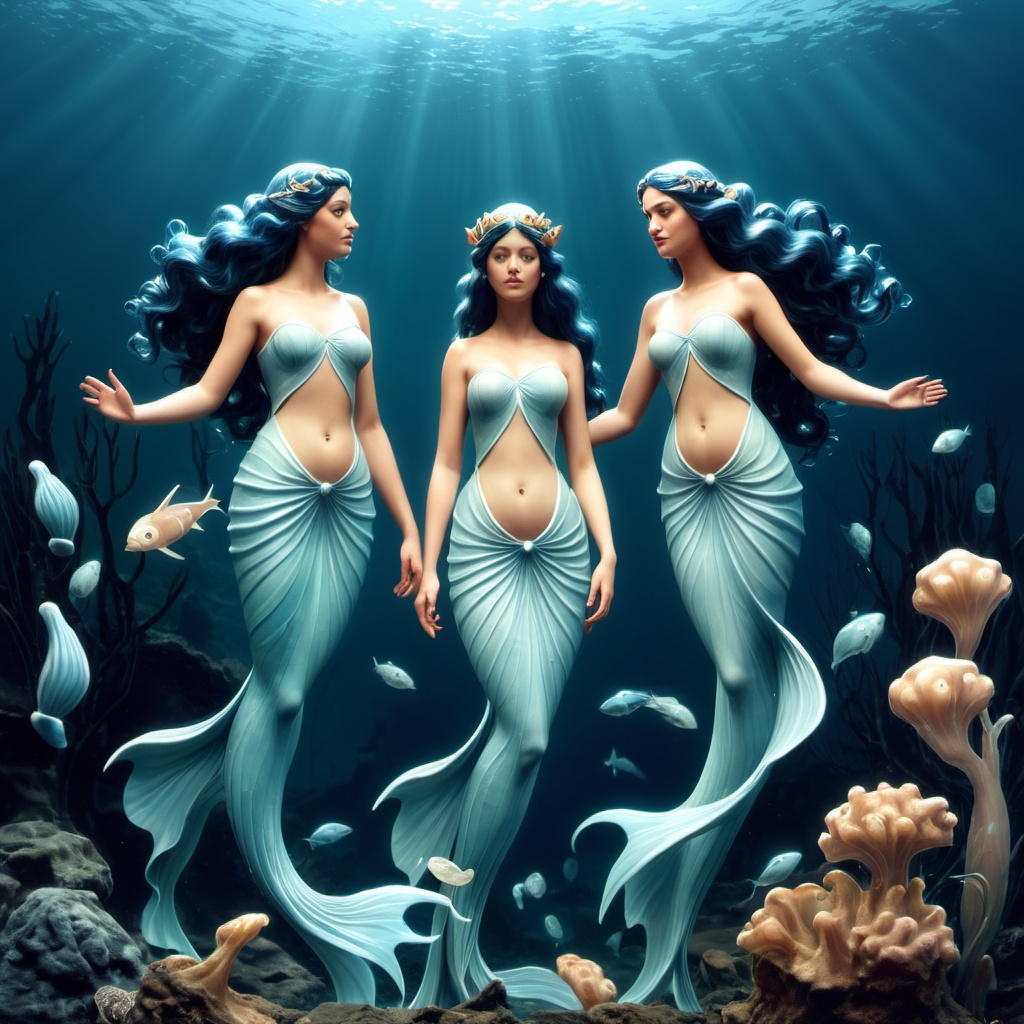
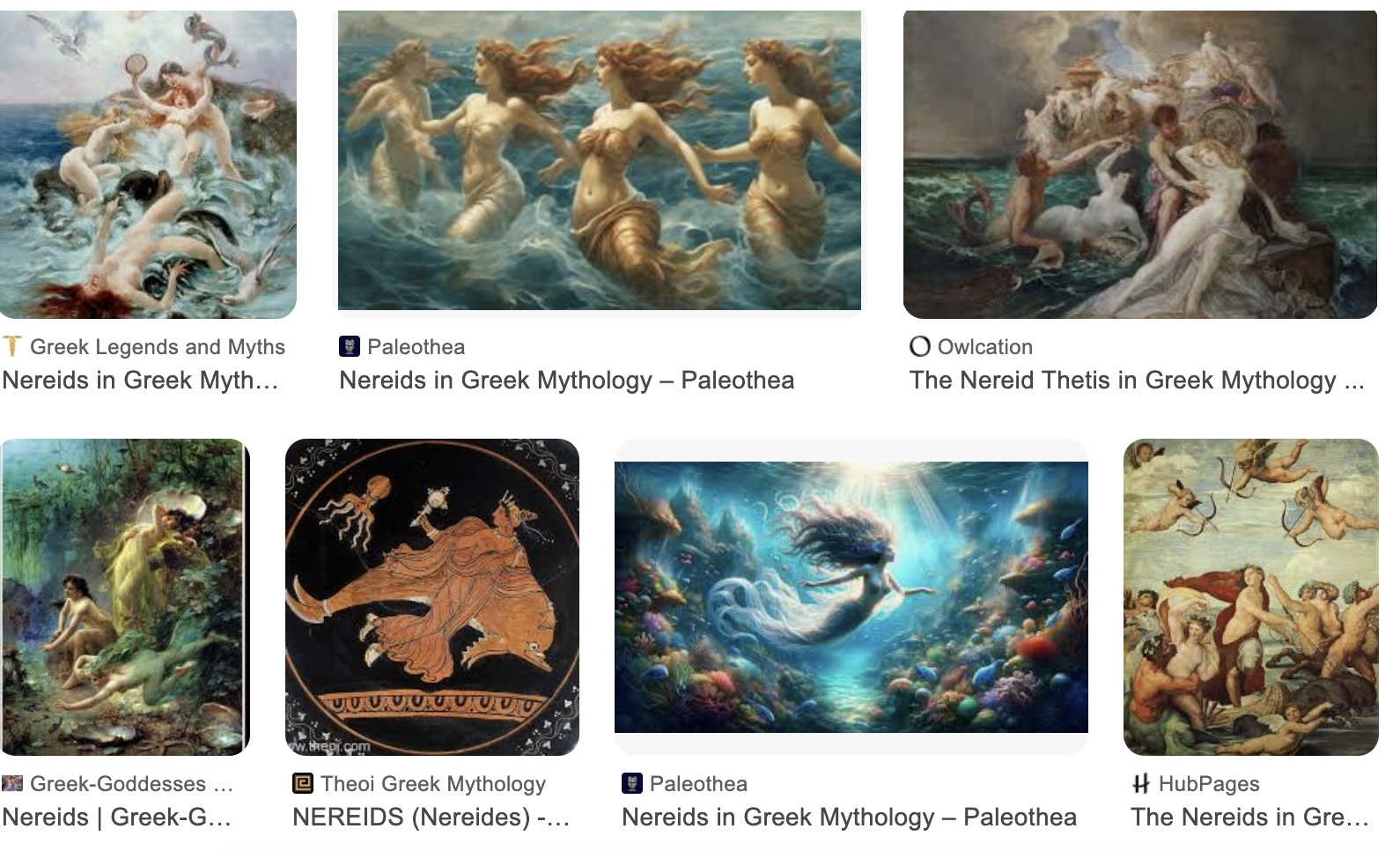
This is almost as sad and predictable as the common exploitative images of deepfake porn, in which celebrities and public figures who have gorgeous faces, are remixed onto the template-bodies of advertising and commercial pornography.
But it is also reassuring to know that people are interested in using GenAI to generate the less predictable and consumable composites. An example of given by Gabriele de Seta in his essay “An algorithmic folklore: Vernacular creativity in times of everyday automation” when people using genAI collectively produced a monstrous figure ‘The Crungus’ after somebody posted one on Twitter. According to de Seta, it transformed from an individual creation to a collective myth-making effort. More and more Twitter user shared their own experimentations with different prompts across models, such as, ‘friendly crungus’, ‘soft crungus’, ‘crungus birth’, ‘Baby Crungus’, or ‘anti-crungus political poster’ adding both detail and legitimacy to the emerging Crungus myth. (1)
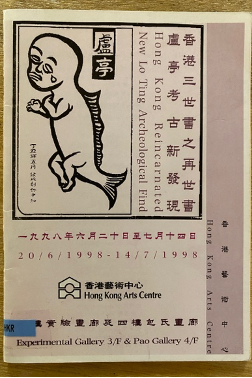
Hence the task upon me is to create queer and erratic swimming creatures that steer away from AI platitudes that have hijacked our imagination. One other example would be the East-Asian myths of sea-hybrids, such as Hong Kong’s Lo-Ting– a creature with human limbs and fish-like head and torso.
Or there is the Japanese mythic reptile-figure Nure-Onna (Wet Woman) who was also turned into animation by the Singaporean artist Ho Tzu Nyen in his animations, Night March of Hundred Monsters.

Details from Ho Tzu Nyen’s catalogue of Night March of Hundred Monsters

+++
(1) Gabriele de Seta, “An algorithmic folklore: Vernacular creativity in times of everyday automation.” In C. Arkenbout & I. Galip (Eds.), Critical meme reader III: Breaking the meme. Institute of Network Cultures, 233-253.